
Rucking is one of those rare workouts that looks almost too simple to matter. You put weight on your back, and you walk. That’s it. But that simplicity is exactly why it works — and why it has quietly become one of the most effective, accessible, and time-efficient ways to build strength and endurance at the same time. Whether you’re already active or looking for something that fits into a busy life, rucking deserves a spot in your training.
Here’s everything you need to know to get started, progress safely, and get the most out of weighted walking.
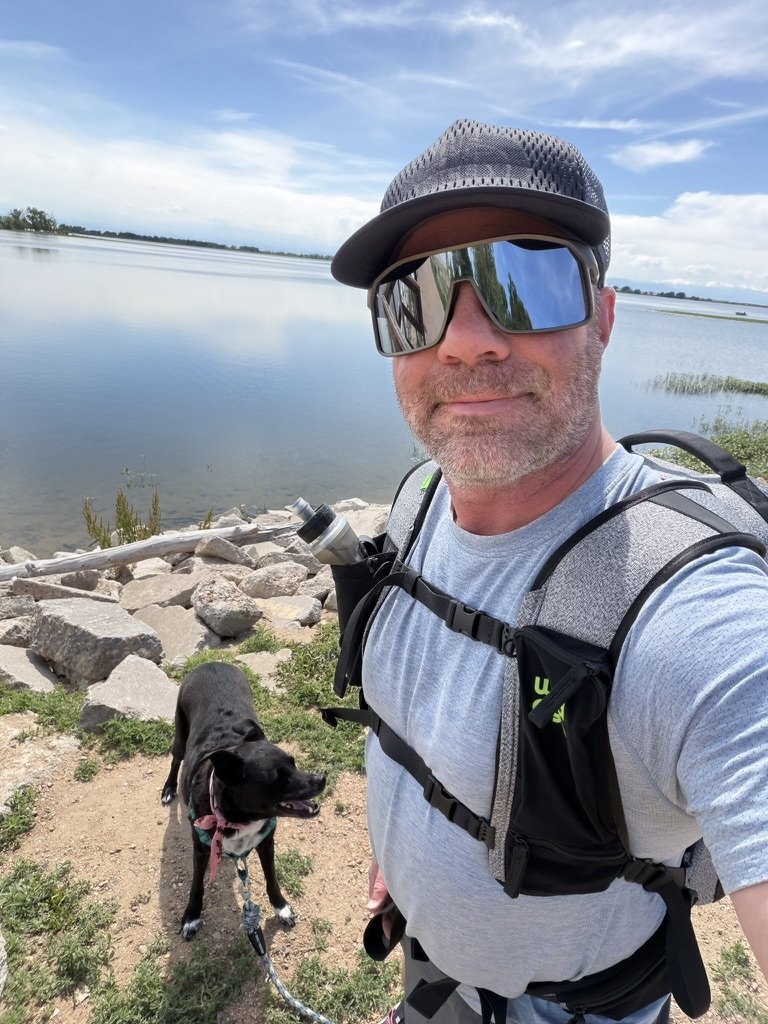
Rucking with our dog Chloe
What Is Rucking?
The term comes from “rucksack.” At its core, rucking just means walking with a loaded pack or weighted vest. It started in the military as a way to build the durable, all-day endurance soldiers need, but it has since crossed over into mainstream fitness because the payoff is so high for the effort involved.
What makes rucking special is that it bridges two worlds that usually require separate workouts. Walking is great cardio but does little for strength. Lifting builds strength but isn’t cardio. Rucking does both at once — you get a real cardiovascular workout while your muscles and bones work under load, all in a single low-impact session you can do almost anywhere.
The Benefits: Why It’s Worth Your Time
Adding weight dramatically increases the metabolic cost of walking. Research has found rucking can burn meaningfully more calories than walking at the same pace — a 150-pound person carrying 20 pounds can burn in the ballpark of 400 to 500 calories per hour. You’re covering the same ground as a normal walk but getting far more out of it.
Carrying load also engages your core, back, shoulders, and legs continuously. Over time this develops what’s sometimes called postural endurance — the ability to hold good alignment for long stretches — which translates directly into less back pain and better everyday function.
Rucking is great for your bones, too. Bone responds to mechanical stress by getting stronger, and weighted walking provides exactly that stimulus. A frequently cited five-year study in post-menopausal women found that weighted-vest walking helped maintain hip bone density while a non-weighted group lost bone mass. Since bone loss tends to begin after age 30, this matters for almost everyone.
It’s joint-friendly, as well. Unlike running, rucking keeps both feet moving in a low-impact stride, so you get cardio and strength benefits without the repetitive pounding that sidelines a lot of runners.
And it’s simple and social. No gym, no class schedule, no complicated technique. You can ruck on a trail, around your neighborhood, or on your lunch break — and it’s easy to do with a friend or group while you talk.
How to Get Started
The number one rule of rucking is to start lighter than you think you need to. The activity feels deceptively easy for the first ten minutes, and people routinely overload on day one and end up with sore shins, knees, or lower back.
For gear, you have two main options. A sturdy backpack with a padded hip belt works perfectly to begin with — just load it with something stable like a wrapped dumbbell, a weight plate, or even a few water bottles or sandbags, positioned high and tight against your back so they don’t bounce. A dedicated weighted vest is the other option; it sits snug against your torso and distributes load evenly front and back, which many people find more comfortable for shorter or faster sessions.
A sensible first outing looks like this: start with about 10 pounds, or roughly 5 to 10 percent of your body weight, and walk for 15 to 30 minutes on flat ground. Keep your posture tall, shoulders back, eyes up, and your stride natural. You should be able to hold a conversation. If anything sharp shows up in your knees, shins, or low back, take the weight off and reassess your form before adding it back.
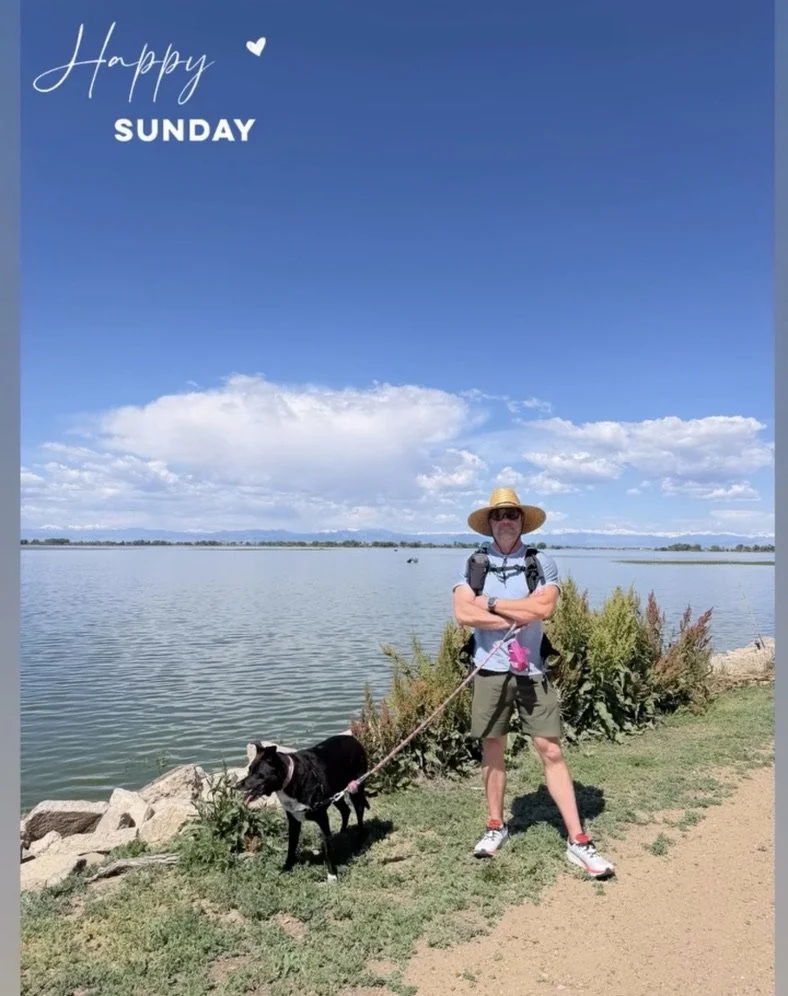
Chloe enjoying the smell of the lake, and me enjoying the 40lb load in a ruck pack
How to Progress
Progression is where rucking really pays off, and the key is to change only one variable at a time — add time and distance first, then weight. A sensible arc for a beginner looks like this: spend the first week or two at 10 to 12 pounds for 20 to 30 minutes on flat terrain, two or three times a week. Over the next couple of weeks, build toward 45 to 60 minutes at the same weight and add a few gentle hills. From there, once an hour feels manageable, begin nudging the weight up toward 10 to 15 percent of your body weight, and eventually 20 percent or more as you become more experienced.
The principle is patience. Let your tendons, joints, and connective tissue adapt at their own pace, which is slower than your muscles and cardiovascular system. Adding a little time each week and only bumping the weight once a session feels genuinely easy will keep you progressing for months without injury.
Weighted Vest vs. Ruck: Which Should You Use?
Both work, and the right choice depends on the session. A weighted vest keeps the load tight and evenly balanced, making it ideal for shorter, more intense walks, intervals, or adding resistance to bodyweight workouts. A rucksack carries the weight a little higher and farther from your body, which suits longer efforts, hills, and heavier loads where a backpack’s hip belt helps transfer weight off your shoulders.
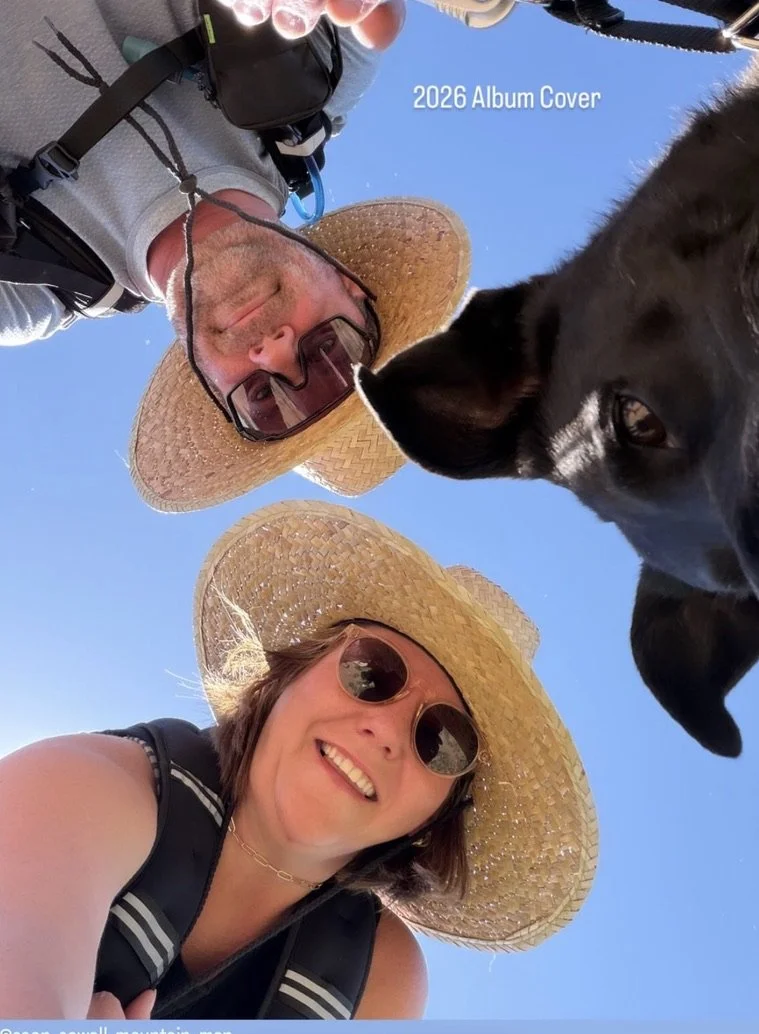
Rucking together as a family - Sami with a 12lb vest, Chloe with a small vest, and me with 40lb ruck pack by Wild Gym
A simple rule of thumb: reach for the vest for quick, snappy sessions under about 45 minutes, and the ruck for longer walks, hilly terrain, or anytime you’re carrying heavier weight. If you’re only going to buy one piece of gear to start, a quality backpack you already trust is the most flexible and budget-friendly entry point. Fixed-weight vests are convenient, but a plate-loaded system is the smarter long-term investment once you know you’re committed.
A Few Final Tips
Wear supportive shoes with good traction — trail shoes or sturdy sneakers both work. Hydrate as you would for any cardio session, especially in Colorado’s dry, high-altitude climate, where it’s easy to underestimate fluid loss. Warm up with a few minutes of unloaded walking before you add weight. And listen to your body: rucking should leave you pleasantly worked, not wrecked.
Rucking rewards consistency more than intensity. Two or three steady sessions a week, progressed patiently, will build strength, endurance, and bone health that compounds over time. Load up, stand tall, and start walking — your future self will thank you.
Want help building rucking into a personalized program? The team at Colorado Personal Fitness can help you start safely and progress with confidence.